Block Known Malicious Sites
Known malicious sites host phishing pages, malware downloads, and exploit kits that compromise visitors through drive-by downloads or credential theft. These sites are continuously identified through threat intelligence feeds and represent active threats.
Defend With SquareX
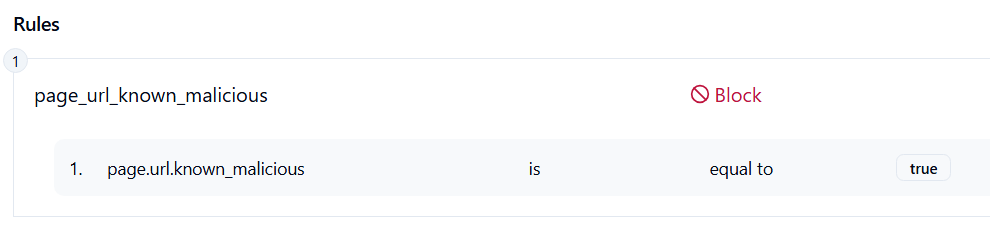
Create a site visit policy to Block Known Malicious Sites.
Affected Companies:



Change Healthcare
Snowflake
Media Secure
Example Policy
Follow These Steps
- Click on Launch Attack Simulation button
- Open any malicious url from the open phish feed
- With SQRX enabled, webpage will be blocked
Details
Cybercriminals operate extensive networks of malicious websites that serve as primary distribution points for phishing campaigns, malware payloads, exploit kits, and credential harvesting operations. These sites are continuously identified and catalogued through threat intelligence feeds from security vendors, government agencies, and cybersecurity organizations who monitor malicious infrastructure in real-time. Known malicious sites include compromised legitimate websites that have been hijacked to serve malware, purpose-built malicious domains registered specifically for attacks, bulletproof hosting services that provide safe harbor for cybercriminal operations, and fast-flux networks that rapidly change IP addresses to evade blocking. These sites typically host phishing pages mimicking popular services like banking portals and social media platforms, exploit kits like RIG and Angler that target browser vulnerabilities, malware distribution points for trojans and ransomware families, credential harvesting forms disguised as legitimate login pages, and command and control infrastructure for botnet operations.
Impact
Mass Credential Theft: Malicious sites hosting phishing pages can harvest login credentials from thousands of victims daily, enabling widespread account takeovers across banking, social media, and corporate systems affecting millions of users.
Malware Distribution at Scale: Attacks from malicious sites can infect visitors' systems with ransomware, banking trojans, spyware, and cryptocurrency miners without user interaction, leading to data encryption, financial theft, and system compromise.
Corporate Network Compromise: Employees accessing malicious sites can introduce malware into corporate environments through infected downloads or compromised credentials, potentially leading to data breaches, intellectual property theft, and operational disruption.
Indicator of Compromise (IOC)
Domain Characteristics: Domains registered with suspicious registrars known for hosting malicious content, newly registered domains with random character combinations or typosquatted legitimate brands.
Phishing Infrastructure Indicators: Websites using legitimate company branding without authorization, sites with login forms that submit credentials to external domains, pages using SSL certificates for legitimate domains on unauthorized servers, websites with shortened URLs masking suspicious domains, and sites using internationalized domain names to impersonate legitimate services.